

Ten years ago, losing power meant an early Friday afternoon. Workers went home. Managers shrugged. Monday morning everything returned to normal. Nobody lost sleep over a few dark hours. Today’s reality looks different. Factories run three shifts. Servers process transactions around the clock. Supply chains move without stopping. One power hiccup triggers chaos that ripples for weeks.
The Real Cost of Power Failures
A manufacturer watches thirty thousand dollars of molten plastic harden inside injection molding machines. The product is ruined. The machines need expensive repairs. Orders ship late. Customers cancel contracts. Workers stand idle while still collecting paychecks. The biggest customer finds a new supplier who proved more reliable. Talented engineers quit for companies with better infrastructure. Lawyers circle, smelling lawsuits from angry partners. The quarterly report shows red numbers. Shareholders demand answers at the annual meeting. Some organizations run these scenarios and feel sick. Others lived through them and felt worse. Both groups reach the same conclusion. Spending millions on backup power beats losing tens of millions when darkness falls.
Building Resilience From the Ground Up
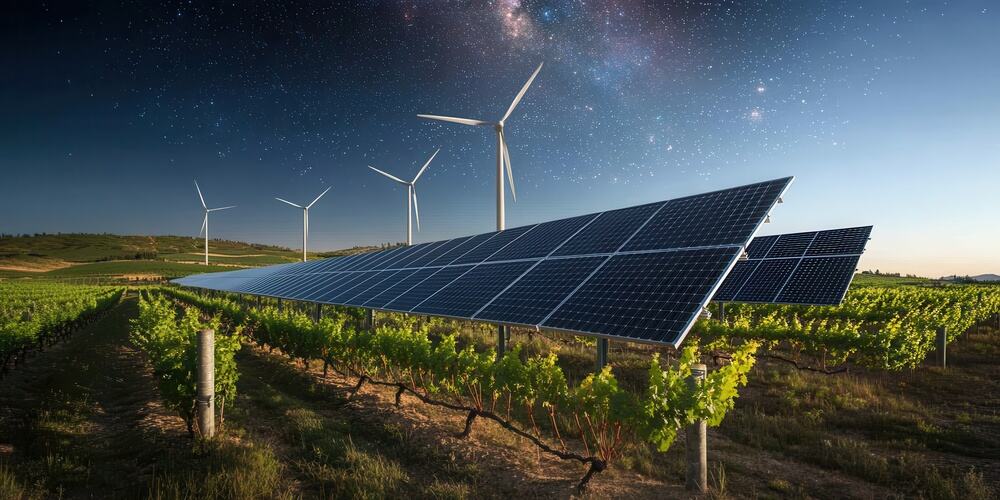
Organizations tired of crossing fingers now take charge. Giant generators squat behind loading docks. Battery rooms fill former storage areas. Solar farms spread across unused land. Each piece adds another layer between critical operations and disaster.
Companies such as Commonwealth bring engineering expertise to organizations ready to strengthen their power infrastructure. The firm specializes in underground transmission services that shield electrical feeds from weather and accidents. Ice can’t coat buried cables. Trees can’t fall on lines running through concrete conduits. Drunk drivers can’t topple poles that don’t exist. Their power expertise aids clients in designing robust systems.
Some facilities go beyond basic backup. They build microgrids that operate independently. They install fuel cells for ultra-clean power. They store enough diesel to run generators for weeks. Maybe it seems excessive. Until that first major outage, when everything keeps humming while competitors scramble in darkness.
Technology Drives New Requirements
Paper ledgers didn’t care about power quality. Servers are sensitive to minor voltage fluctuations. Subtle frequency shifts can disable expensive equipment. Digital devices require constant perfection. Organizations respond by babying their electrical systems. Power conditioners scrub electricity until it sparkles. Monitoring equipment watches for the slightest irregularity. Cooling systems maintain precise temperatures. Humidity controls prevent static buildup. The infrastructure budget grows, but so does uptime.
Remote work added fresh complications. Employees need reliable connections to company systems. Cloud services require constant synchronization. Video conferences can’t tolerate interruptions. The office might have backup power, but what happens when remote workers go dark? Organizations scramble to maintain operations spread across hundreds of home offices.
The Competitive Advantage
Reliable infrastructure creates surprising benefits. Customers stick with suppliers who never miss deliveries. Insurance companies cut premiums for businesses with serious backup systems. Cities fast track permits for organizations that won’t burden emergency services during disasters. Employees notice too. They brag to friends about working somewhere that never loses power. They feel proud when neighboring businesses go dark while their workplace stays bright. Top talent chooses employers who invest in infrastructure over those who gamble with grid reliability. Banks loan money at better rates to organizations with resilient operations. Partners sign longer contracts knowing production won’t stop.
Conclusion
Weather grows more violent each year. Hackers probe the grid for weaknesses. Electrical demand keeps climbing as everything becomes digital. Organizations face a simple choice. Build resilient infrastructure now or explain to stakeholders later why they didn’t. The smart money flows toward generators, batteries, and redundant systems. The foolish money waits for the next outage to reveal how expensive hope really is.
Want to know more? Head over to our blog!