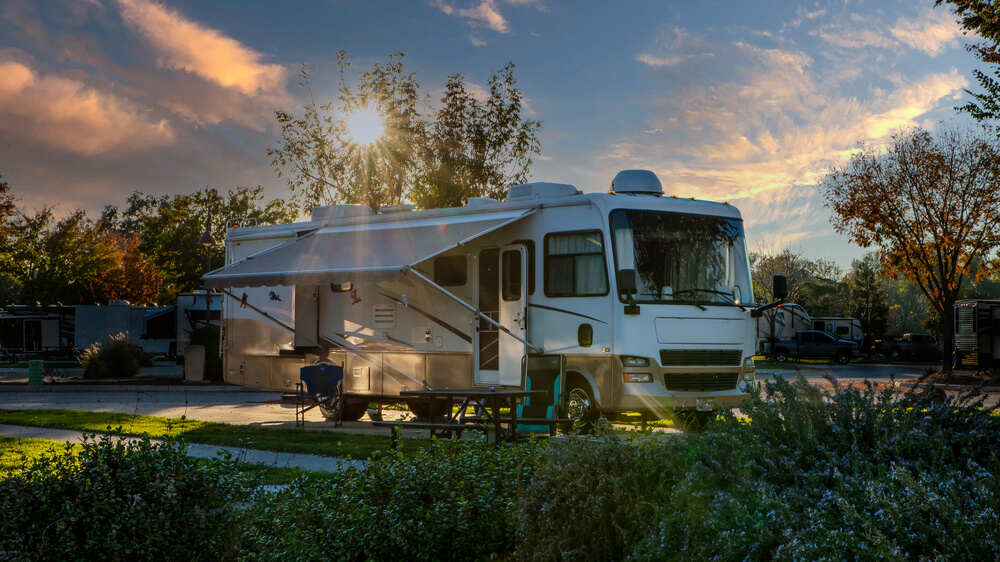

It is the first warm weekend of spring. You are preparing the RV for a quick getaway even as your neighbor gives his boat the once-over. Your friend down the street his pulled out his motorcycle for the first time in six months. Unfortunately, you are all dealing with one of the most common problems of seasonal batteries: death by way of winter storage.
Turning the key only to get that ‘click-click-click’ sound is disheartening at best. If you are lucky, your battery is just dead. A few hours on a charger will solve the problem. But if you’re unlucky, winter storage has completely destroyed the battery. Now it needs to be replaced.
It is a frustrating scenario that plays out far too often for seasonal vehicle owners. So what is behind this common spring ritual? Why does a battery that seems to work perfectly in late October fail catastrophically in early April? More often than not, it boils down to a silent battery killer known as ‘sulfation’.
The Science Behind Sulfation
The starting point for understanding sulfation is acknowledging that a battery isn’t a box full of electricity. In fact, batteries do not store electricity at all. They store active chemical reactors that generate electricity during discharge. This is important because even unused batteries slowly discharge over time. The process is called ‘self-discharge’. It happens naturally.
As self-discharge occurs, small lead sulfate crystals begin collecting on internal battery plates. This isn’t a problem for the battery in your car because daily charging dissolves those crystals. But it is a problem for seasonal batteries that can discharge and be left in that state for months at a time. Over the winter, sulfate crystals harden. They create a physical barrier that interferes with both charging and discharging.
A slight bit of sulfation will not be enough to render a seasonal battery inoperative. But if sulfation is excessive, the damage might already be done by the time it’s hooked up to a battery charger. Even if the battery registers at 12 volts, there isn’t enough surface area on the plates to get the job done. There won’t be enough amps to start the engine.
Winter Is a Force Multiplier
Sulfation is a naturally occurring phenomenon. Unfortunately, winter is a force multiplier that makes it worse. But it’s not because cold temperatures kill batteries. In truth, cold temperatures actually slow down sulfation. The real problem in winter is battery capacity.
Because lower temperatures impact battery capacity, a battery already discharged to 40% in the dead of winter is more susceptible to freezing and cracking. Why? Because the electrolyte inside the unit becomes more water-like as capacity falls. This explains why older batteries that naturally discharge faster are also more susceptible to winter cracking.
Preventative Charging With a Maintainer
So, how does a seasonal battery owner prevent a repeat performance next spring? By deploying a smart battery maintainer when that RV, boat, or motorcycle goes into winter storage. A brand like PRO-LOGIX is a good choice because it relies on advanced technologies and microprocessor control to manage battery health all winter long.
A seasonal vehicle owner’s best bet is a smart battery maintainer with three key features:
- Automatic voltage monitoring
- A built-in maintenance cycle
- Temperature compensation capabilities
Investing in a PRO-LOGIX battery maintainer represents a good investment in your seasonal vehicles. Even a less expensive brand is better than nothing at all. Should you decide to take your chances next winter, you might find yourself participating in that old spring ritual of turning the key and hearing nothing but clicks.
Want to know more? Head over to our blog!