
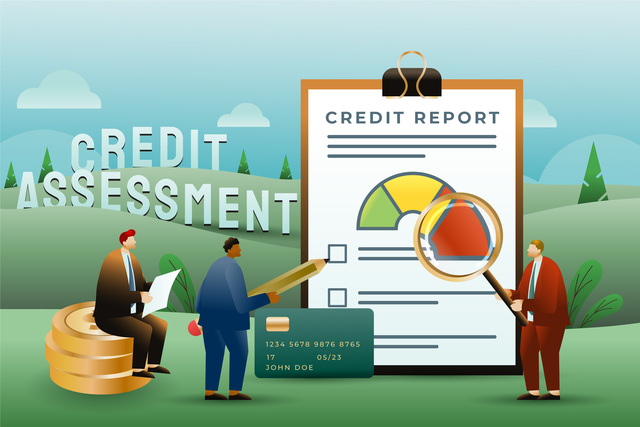

Building strong business relationships often begins with trust, but in today’s financial landscape, trust should be backed by data. Before entering any agreement, conducting an effective credit assessment process helps ensure that potential clients or partners are financially reliable. A well-executed assessment protects your business from risk and supports sustainable growth and confident decision-making.
Why Credit Assessments Matter
A client credit check is more than a formality. It is a crucial part of due diligence that provides a clear picture of a company’s financial behaviour. By reviewing a business’s credit history, you can identify patterns in how it manages debt, pays suppliers, and meets financial obligations. These insights help you evaluate whether the business is likely to meet future commitments, reducing the chance of defaults or late payments that could affect your cash flow.
Credit assessments are especially important in industries that involve large transactions, extended payment terms, or ongoing contracts. A single unreliable client can put pressure on operations or harm long-term profitability, so taking the time to evaluate each new client carefully is a smart investment.
Key Elements of an Effective Credit Assessment Process
A strong credit assessment combines information from multiple sources to form a complete financial picture. Below are several key steps businesses can follow:
1. Review the Business Credit Report
Start with a business credit report, which provides an overview of a company’s financial track record. Reports often include payment histories, outstanding debts, defaults, and credit inquiries. They can also reveal how promptly a company pays its suppliers, which is a good indicator of financial health.
2. Conduct a PPSR Search
APPSR search NZ(Personal Property Securities Register) helps you check whether a company has borrowed against key assets or is subject to existing security interests. This information gives insight into how much financial pressure the business might be under. When combined with credit report data, it provides a more complete view of a client’s obligations and risk exposure.
3. Analyse Financial Ratios and Trends
If financial statements are available, review key ratios such as liquidity, profitability, and debt-to-equity. These numbers show how well the business manages its resources and whether it can handle financial challenges. Tracking these metrics over time can also reveal stability or identify potential warning signs.
4. Assess Management and Business Stability
Beyond numbers, it is important to assess the company’s management history and operational consistency. Frequent leadership changes, irregular trading patterns, or unresolved legal matters can indicate potential issues. Reviewing registration details and public business records helps confirm legitimacy and stability.
5. Evaluate Risk Indicators
Many credit reporting tools summarise data into an overall risk score. This score gives you a quick snapshot of potential risk, but it should be used alongside other qualitative insights such as references, industry reputation, and payment history.
Balancing Risk and Opportunity
While credit assessments are primarily about reducing risk, they can also reveal opportunities. Transparent discussions with potential clients about credit expectations can lead to better communication and stronger relationships. For example, a company with historical defaults but a recent history of reliable payments may still be a good partner if safeguards like shorter payment terms are in place.
Final Thoughts
A structured credit assessment process is a proactive way to manage financial risk and strengthen your business relationships. By using client credit checks, PPSR searches, and verified business credit reports, you can make informed decisions that protect your operations and promote long-term success.
Find out more in our blog section.