
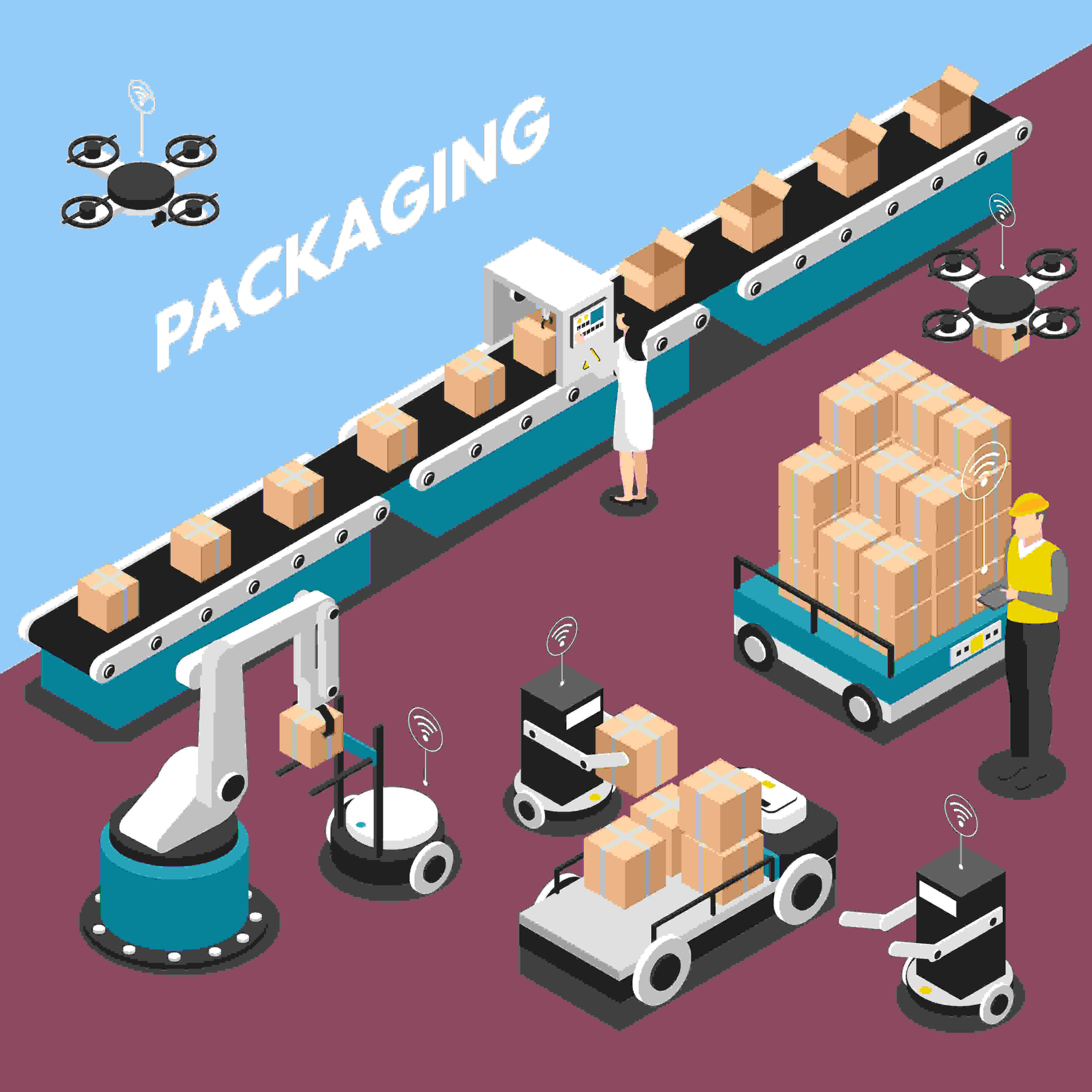

The packaging industry in Australia is experiencing rapid growth. Firms are abandoning the use of plain boxes and labels and adopting more sophisticated packaging forms. Consumer demand, technological advancements, and sustainability objectives drive this move.
The Role of Packaging Solutions in Australia
Companies nationwide are currently resorting to innovative designs to enhance both the safety and attractiveness of their products. Resorting to packaging solutions Australia that offer innovation and efficiency has been widely adopted in many ways. Such solutions don’t just address the appearance. They also address the effectiveness of the packaging in protecting, informing, and engaging customers.
Meeting Consumer Expectations
Customers are not only expecting packaging dimensions to protect them, but also to ensure their safety. They desire convenience, clear information, and environmentally friendly materials. Smart packaging doesn’t just offer business brands some helpful ways to fulfil these needs. It provides them, too, with a way to distinguish themselves in the competitive markets.
Technology Driving Change
Technological advancements largely drive the emergence of smart packaging. Customers can easily reference product details through QR codes, sensors, and tracking systems. This can not only build trust but also generate better brand loyalty.
Focusing on Sustainability
Smart packaging is gaining popularity due to its sustainability – this is one of the primary reasons. The shift made by companies is toward recyclable, reusable, and biodegradable products. This will not just help reduce waste. It will also promote Australia’s broader environmental aspirations.
Benefits for Businesses
Smart packaging offers direct advantages for businesses. It minimises the supply chain faults, enhances inventory records, and reduces losses. This way, it increases customer experience and satisfaction.
Key Features of Smart Packaging
The given features render products more interesting and more credible in the eyes of consumers. Examples of the most common features of smart packaging include:
· Interactive labels with digital links.
· Temperature and freshness indicators.
· Environment-friendly materials that minimise waste.
· Brand Rx Tell-Tale eventuality packaging.
Growing Adoption across Industries
Smart packaging benefits are being observed across various sectors. Companies involved in food and drinks are guaranteeing freshness through it. Food packaging brands are embracing it in an effort to enhance safety and monitor the use of their products.
Challenges along the Way
With this expansion, some issues arise in adopting smart packaging. New materials and technologies may be expensive. It may also not be beneficial for smaller businesses to keep up with the rapid pace of change within a shorter timeframe.
The Future of Packaging in Australia
The future holds a lot of promise, with an increasing number of brands investing in innovation. Adoption will still be fuelled by government support and consumer awareness. Over time, smart packaging will be the norm in most industries.
The bottom line is that mastering packaging is not just a trend. It is also becoming an increasingly important component in the creation, marketing, and consumption of products in Australia. With a rising demand, early adopters of companies will not just have closer relationships with their consumers. They will achieve improved future performance, too.